
Introduction
Every child’s development is uniquely their own, but certain signs can indicate when extra support may be beneficial. Recognizing these early warning signs is essential, as timely intervention can significantly impact your child’s progress. This guide spotlights five key areas where speech or occupational therapy from Foundations Therapy Service can help empower both your child and your family.
When Words Whisper Instead of Roar
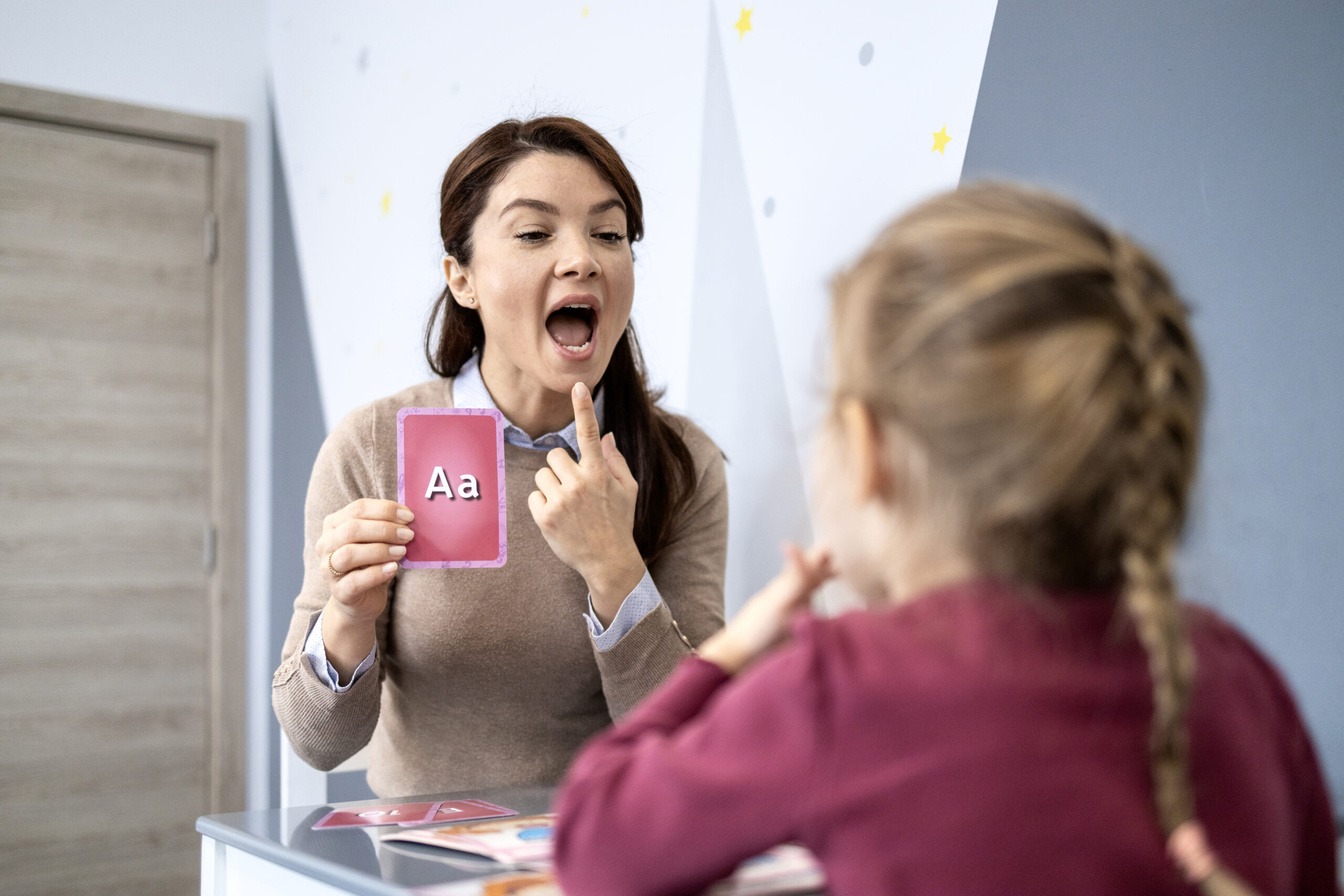
A toddler who rarely says “Mama,” a preschooler who substitutes “wabbit” for “rabbit,” or a kindergartner whose speech contains frequent stuttering can all prompt concerns about speech delays. Missed language milestones, limited vocabulary, stuttering, and articulation challenges are classic early warning signs of speech and language delays. Communication skills are critical for social engagement and academic readiness, making early detection essential.
While some children are late talkers who eventually catch up, others continue to struggle with forming two-word phrases. The American Speech-Language-Hearing Association notes that most 18-month-olds say at least 10 words, and 3-year-olds typically use three-word sentences. If language growth stalls, it is time to take action.
Simple strategies at home include labeling everyday objects, offering choices to encourage responses, pausing after asking questions, and reading picture books while naming images. Foundations Therapy Service’s speech team uses play-based, evidence-driven methods to turn daily moments into opportunities for targeted practice. Early intervention can boost expressive language, receptive understanding, and social communication, helping children gain confidence at home, in the park, and at school.
The Silent Signals of Motor Skills Delay
Fine motor skills, such as buttoning a coat, and gross motor skills, like jumping off a curb, are vital for independence. Early signs of motor skills delay may include an awkward pencil grasp beyond age four, difficulty holding utensils, delayed crawling or walking, frequent tripping, and tiring quickly during play.
Such coordination issues can impact handwriting, self-care tasks, and participation in activities. Sensory processing difficulties may underlie these challenges, as children who cannot sense their body position accurately often struggle with movement control.
Occupational therapists at Foundations Therapy Service specialize in sensory integration and handwriting remediation. Using swings, scooter boards, and multi-sensory writing tools, therapists help develop core stability and finger dexterity. Research indicates that addressing these delays before third grade reduces future academic support needs.
Practical home ideas include creating a mini gym with pillows, using tongs for snack time to build hand strength, and drawing large shapes with chalk to strengthen shoulders.
Hidden Hurdles in Social and Emotional Communication
Limited eye contact, difficulty interpreting nonverbal cues, problems with turn-taking, and challenges in group play may indicate social communication delays. These signs can also be linked to autism spectrum disorder, attention deficit challenges, or pragmatic language differences. In group settings, children who miss these milestones may withdraw or be mislabelled as shy.
Speech and occupational therapists at Foundations Therapy Service teach perspective-taking, flexible thinking, and emotional vocabulary. Therapists design cooperative games to practice waiting, negotiating, and reading facial expressions, either in a sensory-friendly clinic or via telehealth, with Medicare waivers extended through 2025.
Examples include a three-year-old who rarely responds to their name, a five-year-old who cannot describe emotions, or teachers noting difficulty joining group activities. A multidisciplinary assessment can clarify whether issues stem from language delay, autism, or ADHD. Families receive tailored care plans that link therapy and school strategies.
Feeding Frustrations and Sensory Processing Red Flags
Extreme picky eating, gagging, or trouble chewing can signal oral-motor or sensory challenges. A 2025 nationwide survey found that one in three families reports feeding struggles in their children. In areas with diverse food cultures, these difficulties can limit nutrition and social experiences.
Children who react strongly to sounds or textures, resist toothbrushing, or dislike haircuts may have broader sensory processing issues. Foundations Therapy Service blends speech therapy’s oral-motor expertise with occupational therapy’s sensory strategies, using playful food exploration and gradual exposure.
At home, start with one new food on the plate without pressure to taste, use fun utensils for novelty, and provide consistent seating with foot support for stability.
Attention, Persistence, and the Path to Independence
Short persistence, impulsivity, and difficulty with self-regulation can emerge early and may predict attention deficit challenges. These issues can affect learning, play, and daily routines. Left unaddressed, they can impact self-care skills and academic progress.
Therapists at Foundations Therapy Service use “stop and think” games, visual schedules, and movement breaks to improve executive functions. Self-care training, such as zipping jackets or tying shoes, helps children gain independence before starting school.
Practical strategies include breaking tasks into small steps with picture cues, using timers for work and play intervals, and incorporating heavy-work activities like pushing laundry baskets to regulate energy.
Distinctive Expertise That Sets Us Apart
Foundations Therapy Service stands out with advanced certifications in autism, sensory integration, feeding, and neurodevelopment. Therapists use cutting-edge methods such as DIR/Floortime and SOS Feeding, providing evidence-based care and reducing trial-and-error sessions.
Individualized, data-driven plans ensure goals and activities are tailored to each child’s personality, interests, and developmental milestones, resulting in faster progress and higher motivation. Sensory-friendly environments with calming lights, specialized swings, and quiet corners help children feel comfortable and ready to learn.
Collaboration with families and schools ensures consistent strategies at home and in the classroom. Streamlined administration assists with insurance and scheduling, allowing parents to focus on their child’s growth.
Empowering Families to Take the Next Step
Early warning signs like speech and language delays, motor skills difficulties, social communication challenges, feeding and sensory issues, and attention problems are growth opportunities. Prompt action opens windows of neuroplasticity and boosts development. Foundations Therapy Service provides holistic, family-centred pediatric therapy across Brentwood and the wider Bay Area, blending occupational and speech therapy for playful, measurable progress. If these signs resonate, take the next step for your child’s brighter future.
Begin Your Journey
Recognizing early warning signs and acting quickly can transform your child’s future. Foundations Therapy Service is here to support your family with expert care and compassionate guidance.
References
Telehealth Expansion Is Making Pediatric Occupational Therapy More Accessible
Demand for Pediatric Occupational Therapists Is Expected to Increase by 11 Percent
A 2025 Survey Reported Feeding Struggles in One in Three Children
Pediatrics Remains the Highest Practice Concentration in Occupational Therapy
At the End of December 2025, 25,986 Children Were on Occupational Therapy Waiting Lists
Tags: Early Signs Guide