
Foundations Therapy Service

Understanding Speech and Language Development: A Guide for Parents
Communication is the foundation of a child’s ability to connect with the world. While often used interchangeably, “speech” and “language” refer to different aspects of communication. Speech is the physical production of sounds, while language is the system of words and symbols used to share meaning. The Components of Communication Speech-Language Pathologists (SLPs) focus on…

Navigating the Social World: Speech Therapy and Social Communication
While speech therapy often focuses on how a child pronounces sounds or builds sentences, a significant portion of the field is dedicated to Social Communication, also known as Pragmatics. This is the study of how we use language to interact with others and navigate social situations. For many children, the challenge isn’t just “talking,” but…

Sensory Processing and Occupational Therapy: A Parent’s Guide
Sensory processing is the way the brain receives, interprets, and responds to information from the senses including touch, sound, sight, taste, smell, movement (vestibular), and body position (proprioception). For most children, sensory processing happens automatically. For others, sensory input can be overwhelming, confusing, or difficult to interpret, affecting daily life and participation. What Is Sensory…
Self-Regulation: How Occupational Therapy Supports Children’s Emotional and Behavioral Control
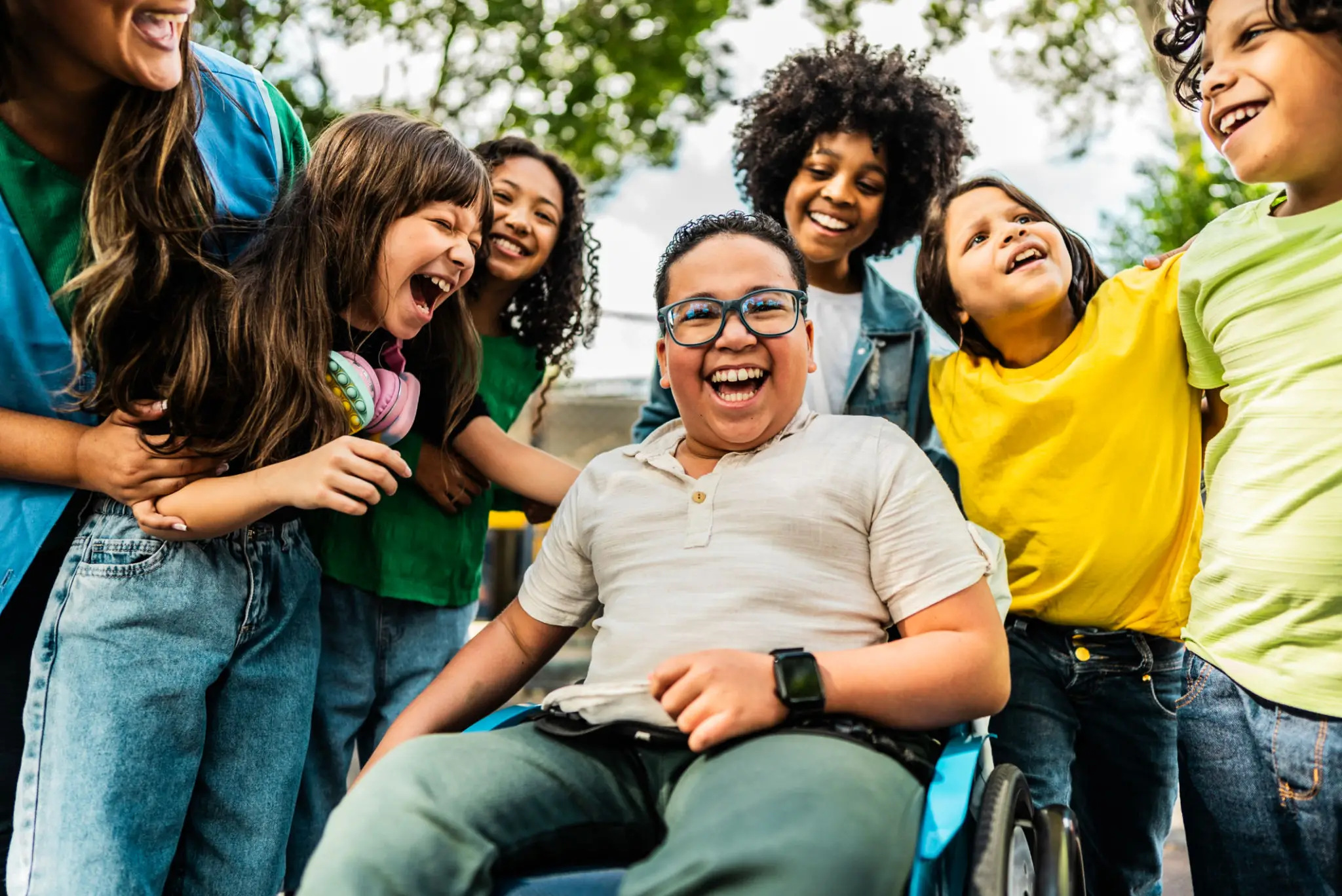
Self-regulation is the ability to manage emotions, behavior, and attention in response to the demands of a situation. It is a foundational skill for learning, social interaction, and daily routines. For many children, especially those with sensory processing differences or neurodevelopmental conditions, self-regulation can be challenging. What Is Self-Regulation? Self-regulation involves: Children who struggle with…

Motor Planning: The Brain’s “Blueprint” for Movement
Motor planning, clinically referred to as praxis, is the ability of the brain to conceive, organize, and carry out a sequence of unfamiliar actions. While many movements eventually become “automatic” (like walking or riding a bike), every new physical skill requires a high level of motor planning. For many children, the “blueprint” for these movements…
Interoception: The Hidden Sense and Its Role in Child Development
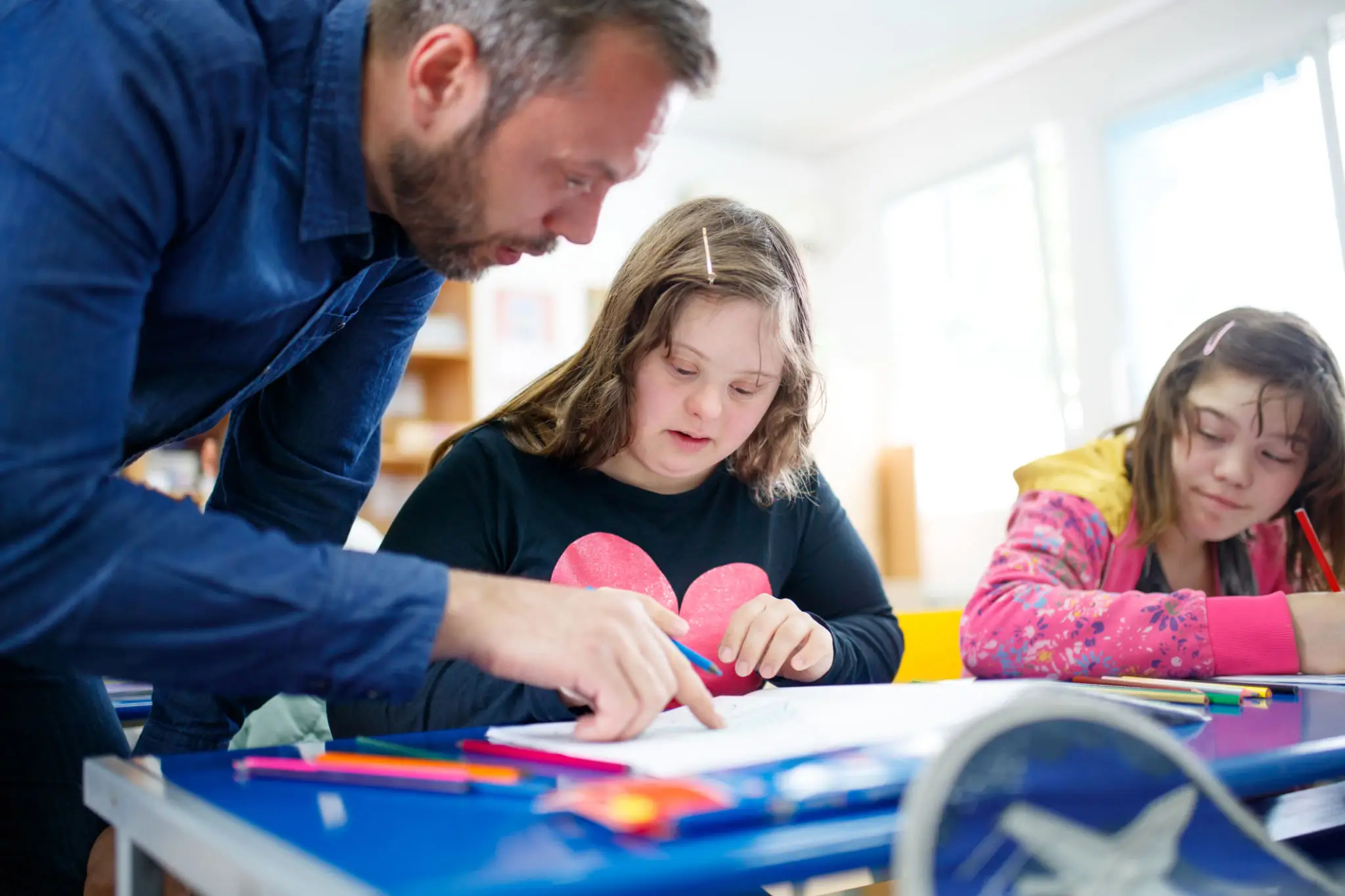
Interoception is often called the “hidden sense.” It refers to the ability to notice, interpret, and respond to internal body signals such as hunger, thirst, pain, temperature, and emotions. Just as we use our senses to understand the outside world, interoception helps us understand what is happening inside our bodies. Why Is Interoception Important? Interoception…
Building the Foundation for Handwriting Legibility: A Guide for Parents
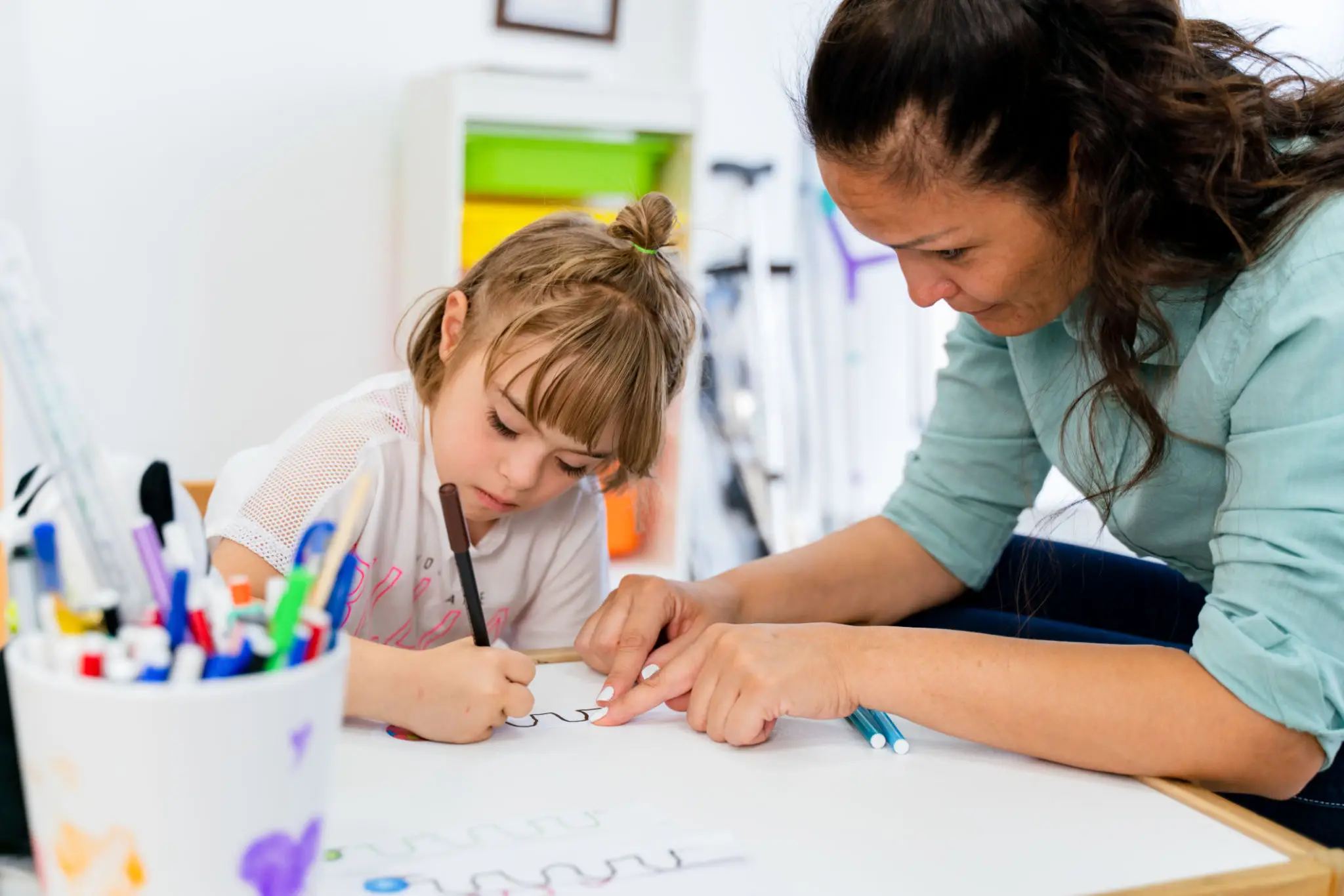
Handwriting is one of the most complex tasks a child learns. It requires the simultaneous coordination of visual, motor, and cognitive systems. When a child struggles with legibility, it is rarely just a “hand” issue; it is often a matter of how the brain and body work together to produce written language. The Building Blocks…
Understanding Neurodiversity: A Parent’s Guide
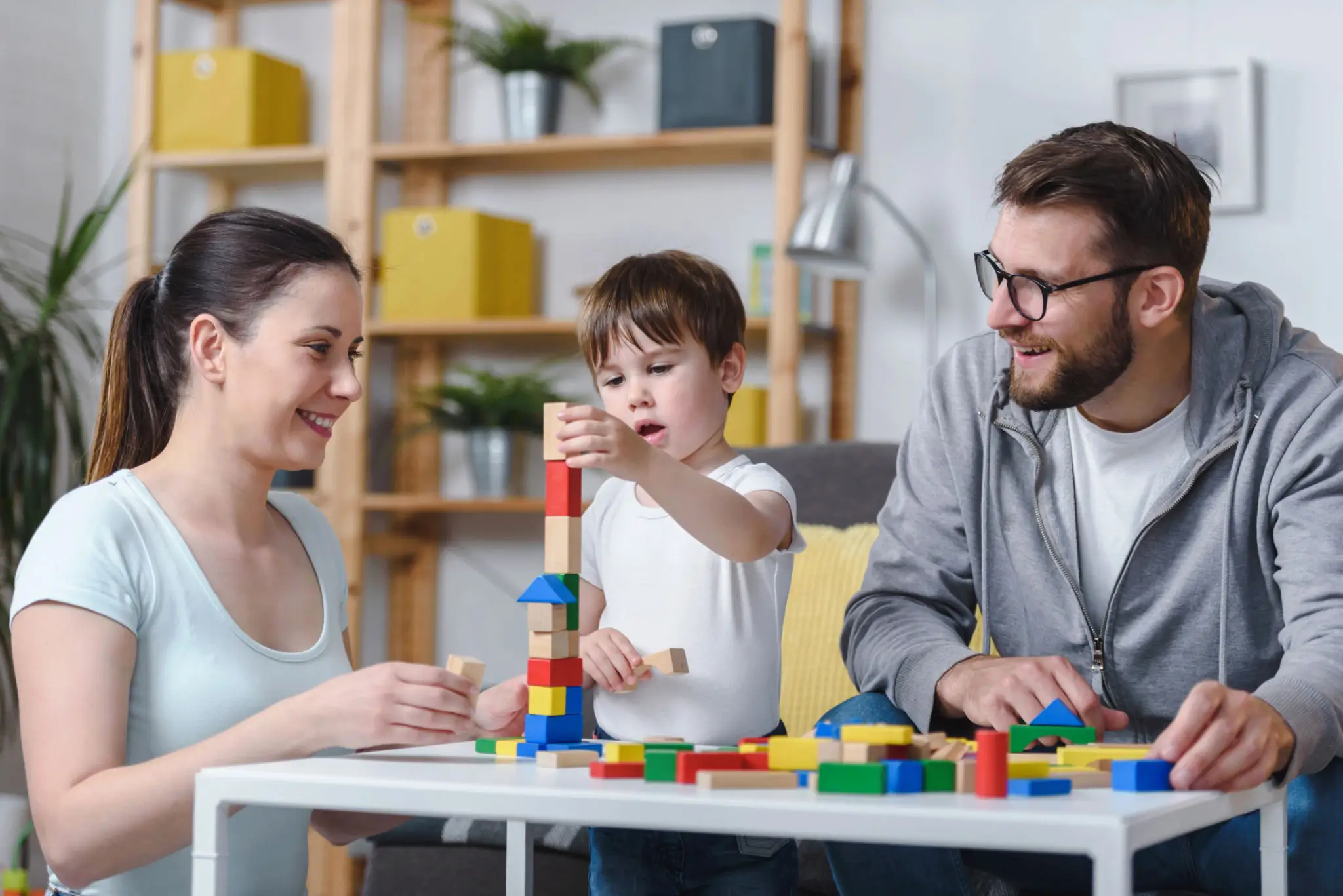
Neurodiversity is a term that recognizes and celebrates the natural variations in how people’s brains function. It acknowledges that differences in thinking, learning, and behavior such as those seen in autism, ADHD, dyslexia, and other conditions are part of human diversity, not deficits or disorders. What Does Neurodiversity Mean? Neurodiversity shifts the focus from “fixing”…

Understanding Executive Function: A Guide for Parents
Executive function is often described as the “air traffic control system” of the brain. Just as an airport needs a system to manage arrivals and departures on multiple runways, a child’s brain needs executive function skills to manage information, focus on tasks, and filter distractions. For many children, particularly those seen in occupational therapy, these…
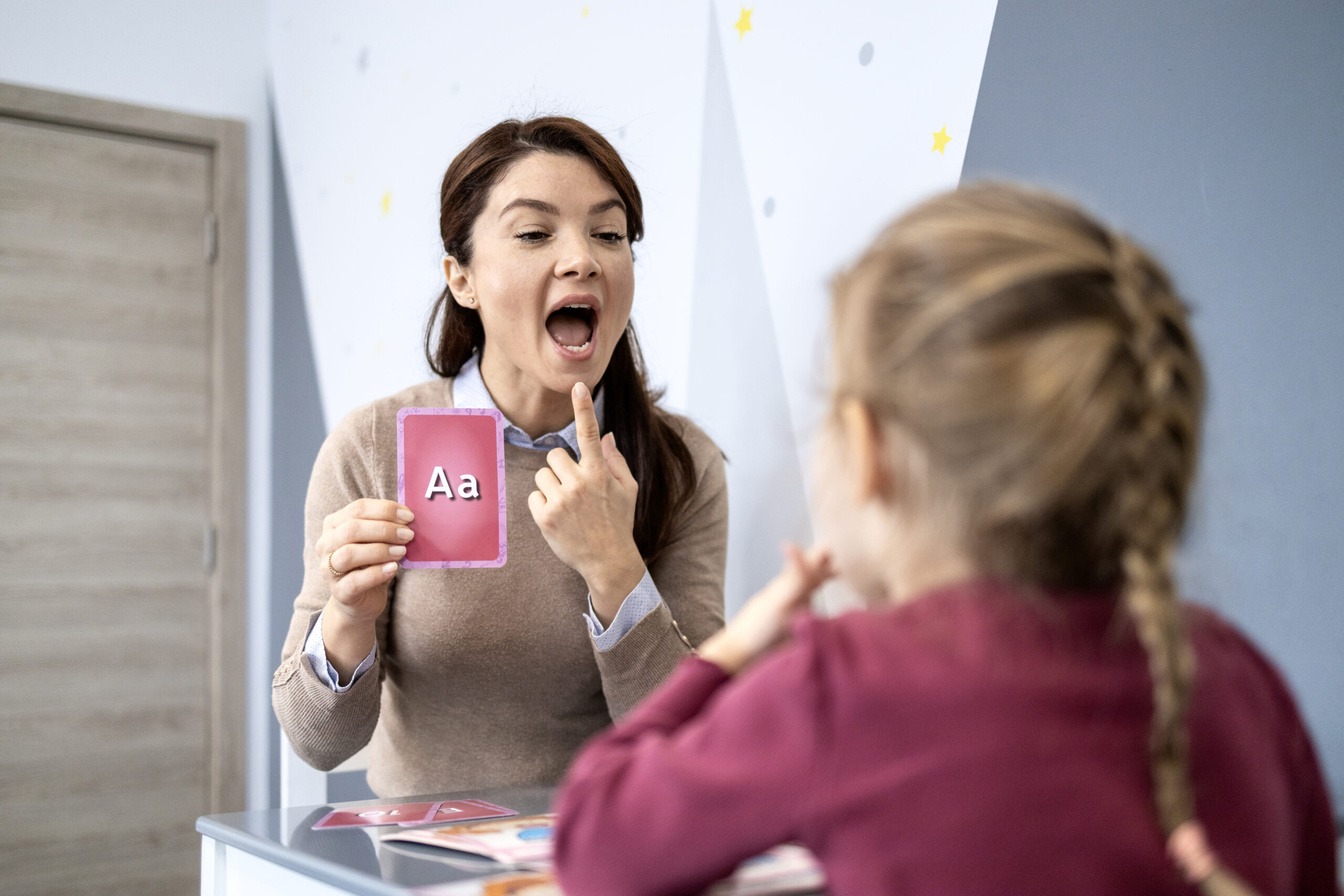
5 Early Warning Signs That Your Child May Need Speech or Occupational Therapy
Introduction Every child’s development is uniquely their own, but certain signs can indicate when extra support may be beneficial. Recognizing these early warning signs is essential, as timely intervention can significantly impact your child’s progress. This guide spotlights five key areas where speech or occupational therapy from Foundations Therapy Service can help empower both your…